


Introduction: The Massage Myth
The hands-on nature of physiotherapy often leads to a persistent, reductionist myth: that the profession is merely about providing relaxing massages or supervising basic stretches. While movement is at our core, this narrow view fails to capture the clinical sophistication of the field. Tamar Haraki, a physiotherapist and lecturer at Ernest Cook University (ECU), is leading the charge to dismantle this “wellness” stereotype.
At ECU, we redefine physiotherapy as a rigorous, science-based healthcare provision. It is a discipline rooted in a deep understanding of how the human body functions and moves. Our mission is to move beyond the superficial and rebuild a foundation of clinical excellence, training compassionate professionals equipped to make the body stronger, more resilient, and pain-free.
Health is About Function, Not Just the Absence of Illness
In modern healthcare education, we are shifting the paradigm of what it means to be “well.” Within the halls of ECU, health is defined not merely as the absence of a diagnosis, but as the presence of total functional capability. True health is the ability to engage in the activities that define a life—studying, working, and competing in sports—without physical limitation.
This shift in perspective is vital for the next generation of healthcare providers. By focusing on function, our graduates don’t just treat symptoms; they restore the quality of life. As Tamar Haraki notes:
“Most people think that health means not being sick, but the real health means that you’re able to function normally… and live your life fully without any limitation.”
The Physiotherapist as a Primary Care Gatekeeper
The traditional view of the physiotherapist as a subordinate assistant to a doctor is a thing of the past. Today, the physiotherapist is a “gatekeeper” involved in the entire health journey. This role encompasses far more than injury recovery; it is a proactive pillar of public health. Our students learn to lead the charge in preventing chronic conditions that plague modern society, including hypertension, diabetes mellitus, obesity, and the ever-prevalent issue of low back pain.
ECU emphasizes a “direct access” model of care. This means that a physiotherapist is a primary care provider. Patients can come directly to you for assessment and diagnosis without a prior referral. This autonomy is a cornerstone of the profession; you are the one identifying the problem, making the clinical decision, and designing the plan of care. You are not just following orders—you are the lead architect of the patient’s recovery
A Science-First Academic Rigor
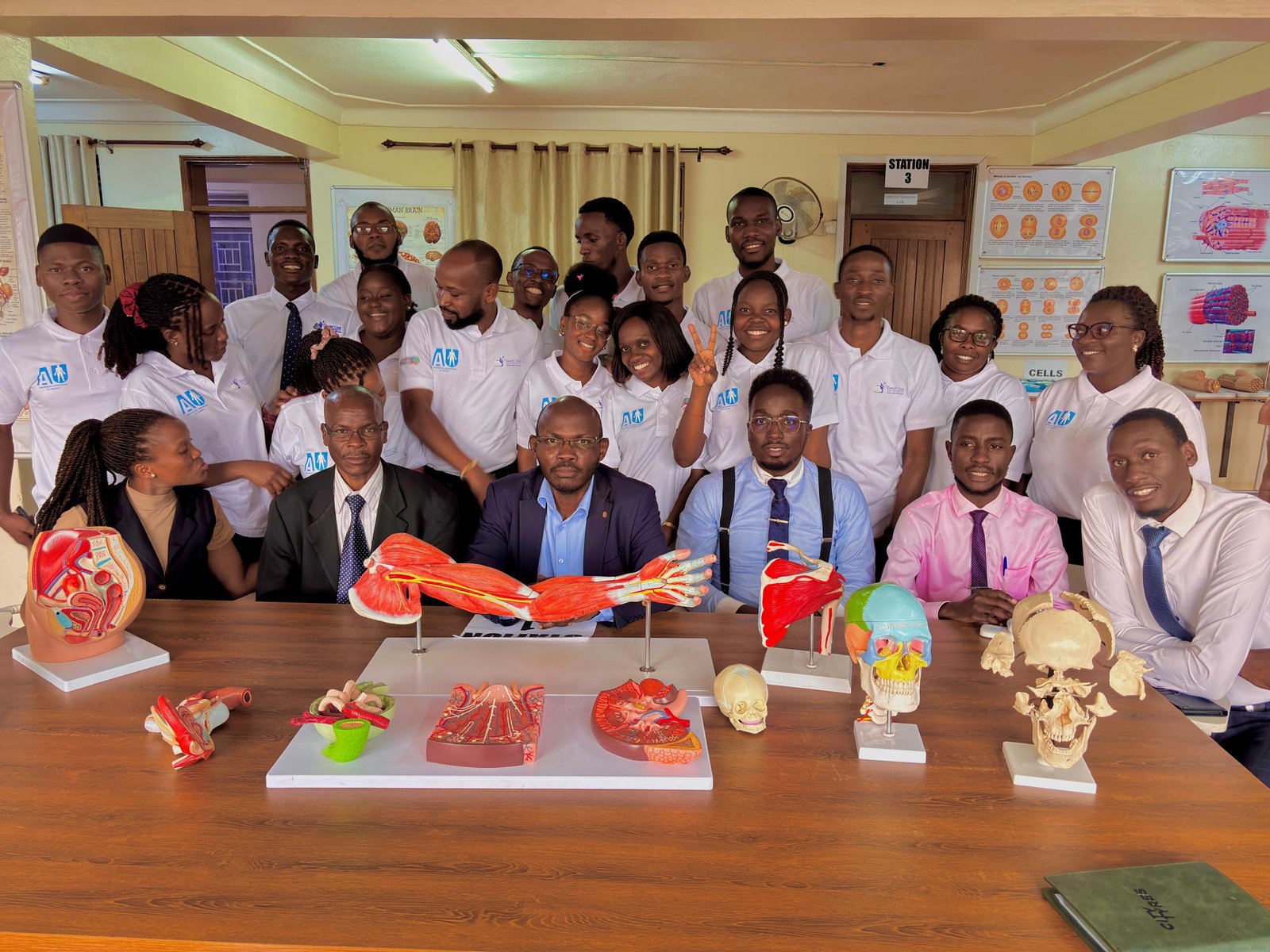
For those looking for an “easy” path, physiotherapy is not the answer. At ECU, we pride ourselves on academic rigor that rivals any medical discipline. The journey begins with an intensive, system-by-system study of human anatomy. This deep scientific foundation is non-negotiable because the stakes are high.
This scientific depth is what allows a student to transition from classroom theory to high-stakes clinical decision-making. When you face a real patient, your ability to achieve a positive result depends entirely on your grasp of the body’s complex systems. At ECU, we ensure that by the time you treat your first patient, you have the confidence that only deep knowledge can provide
Join the Movement: Your Path at Ernest Cook University
If you are ready to pursue a respected, high-impact career that combines scientific mastery with the art of movement, your journey begins here.
Admission Requirements for the Bachelor of Physiotherapy:
- Higher Education Certificate: Requires two principal passes in Physics, Chemistry, and Biology.
- OR a Diploma: In Physiotherapy, Orthopedic Technology, Sports Sciences, or Occupational Therapy.
Visit www.ecu.ac.ug today to submit your application and secure your place in a field that is moving the world forward