

The era of the “Ivory Tower” hobbyist is dead. For decades, the university was a protected enclave of rigid hierarchy and detached contemplation, but that comfortable isolation has been shattered by a brutal relevancy ultimatum. Today, the global education market is grappling with a high-stakes survival crisis: stay relevant to industry and society, or face institutional obsolescence.
As a strategy consultant, I see this not just as a period of change, but as a total structural pivot. From the way we admit students to the way we value the faculty who actually teach them, the following five shifts are dismantling the status quo and rebuilding higher education as a diverse, results-oriented ecosystem
The Relevancy Ultimatum: Work That Matters or Get Out
The debate over the “degree of relevancy” in academic research is no longer a polite faculty lounge conversation—it is a mandate for public survival. Dr. Robert Twilley of Louisiana State University has issued a challenge that strikes at the heart of institutional ROI: “If you don’t want to be relevant, you have no business in public higher education.”
This isn’t just a critique; it’s an industry-wide pivot. We are seeing a move away from “pure academia” toward measurable economic and social impact. For public institutions, the social contract is being rewritten. Research must solve industry bottlenecks and fuel the local economy to justify public funding. This shift forces universities to view themselves not as repositories of knowledge, but as engines of societal progress.
Breaking the Science Barrier: Education for the "Non-Scientist"
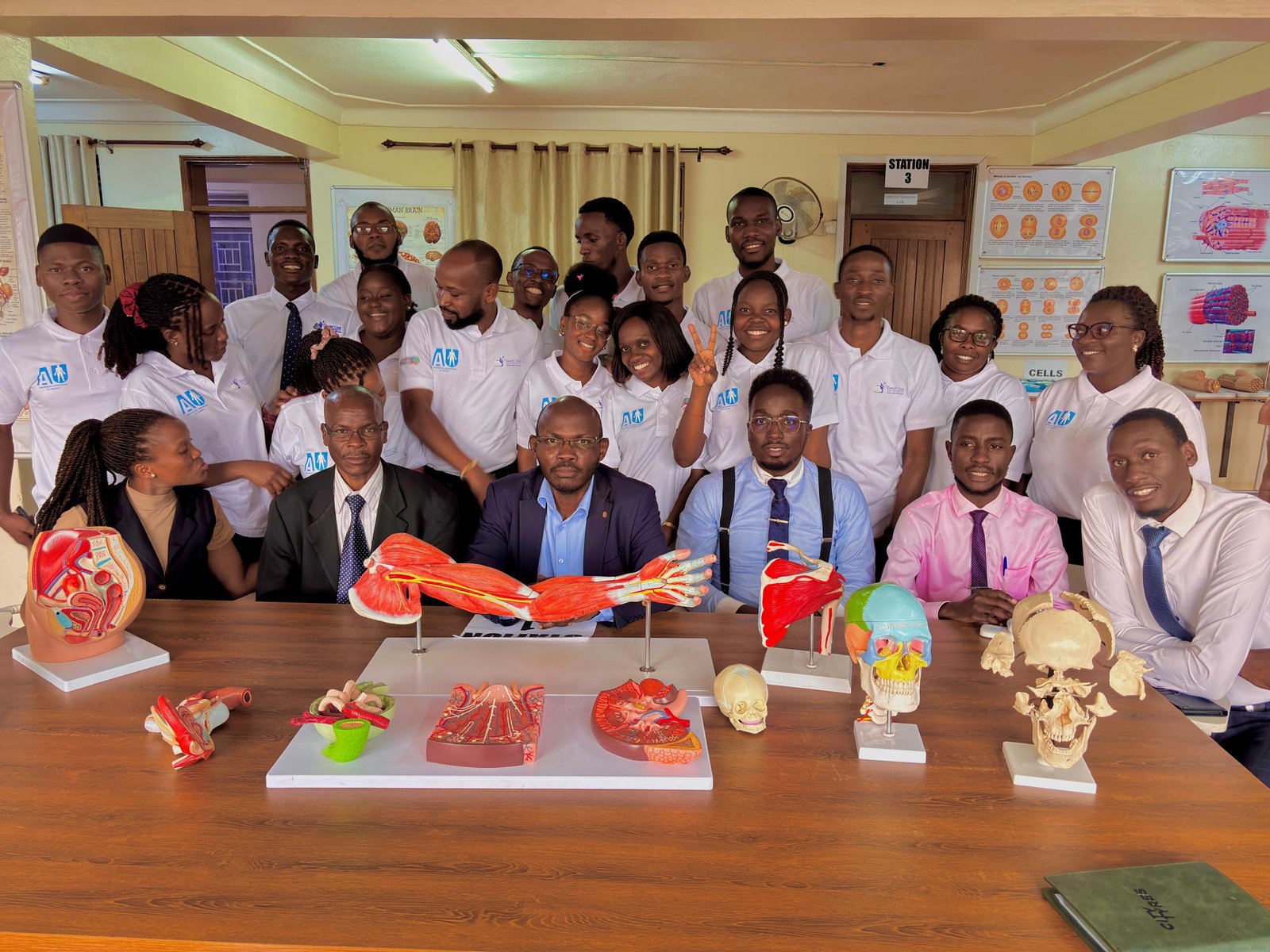
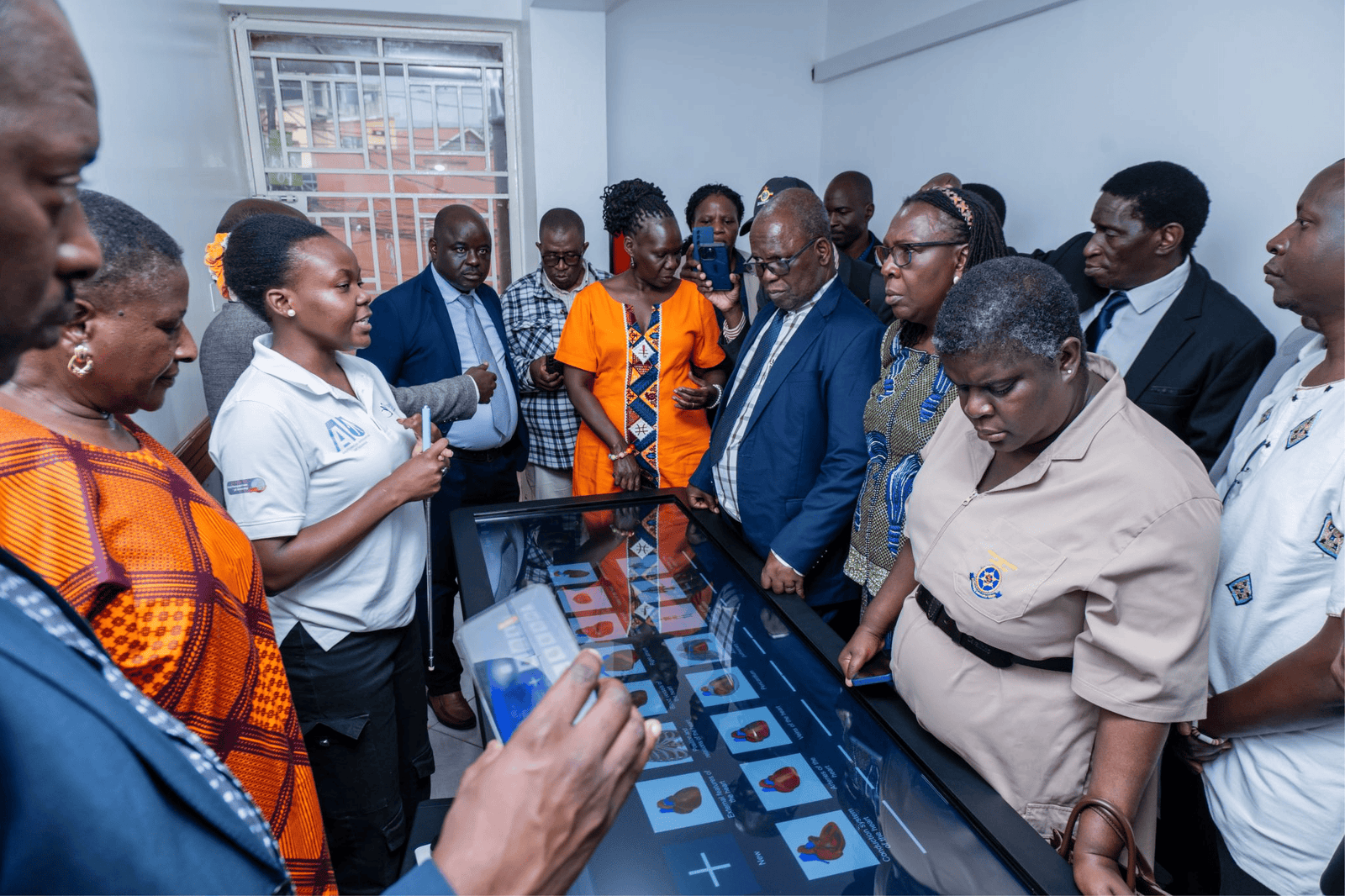
Traditional admissions frameworks have long functioned as gatekeepers, using specific subject performance to lock out potential. Ernest Cook University is aggressively challenging this by proving that “Education for Everyone” is a viable institutional strategy. Through their Higher Education Access Program (HEAP), they’ve created a pathway that allows students to enter the university system regardless of their prior performance in the sciences.
Led by Vice Chancellor Prof. Michael Grace Kawooya and Dr. Maria Nakachwa Ssemakula, HEAP is a counter-intuitive strike against the NCHE (National Council for Higher Education) regulatory gaps that often bar talent from entry. By “bridging gaps” and removing science-based barriers, the program treats university potential as a dynamic capacity rather than a fixed historical record. It’s a move toward pedagogical inclusivity that recognizes that a student’s past performance in a single field should not be their professional destiny
The "Invisible Labor" Saving Undergraduate Success
The backbone of the modern university is not the tenured elite, but the “VITAL” faculty—Visitors, Instructors, TAs, Adjuncts, and Lecturers. Kate Drezek McConnell and other leaders are finally shining a light on the “invisible labor” of these contingent colleagues who serve as emergency hires during transitions and provide the overwhelming majority of undergraduate teaching.
There is a glaring systemic irony: the faculty members with the least job security are the very people building the foundation of the General Education (GenEd) curriculum. To combat this contingent faculty crisis, the Delphi Award provides a $15,000 grant to campuses that put their money where their mouth is regarding support for non-tenure track staff. With the 2026 application cycle now in focus, the shift is clear—institutional excellence is impossible if we continue to neglect the “VITAL” labor that sustains student success
The Forward-Looking Summary
The common thread running through these shifts is the transformation of higher education from an exclusive, rigid gatekeeper into a porous, relevant, and accessible ecosystem. We are moving toward a model that values the “invisible” teacher, the “non-scientist” student, and the community-reflective curriculum.
The ultimate question for every institutional leader and student remains: if we started from scratch today, would your degree still look the same—or would it be built on a foundation of relevancy and inclusion?