
Introduction: The "Closed Door" Dilemma
In the landscape of global academia, traditional entry requirements have long functioned as rigid throughput models, designed more to filter students out than to invite them in. For many aspiring scholars in Uganda, the dream of a university degree frequently collides with systemic barriers to entry—not because of a lack of intellectual capacity, but due to prior academic performance that may have been hampered by external circumstances.
Ernest Cook University is actively disrupting this status quo through its Higher Education Access Program (HEAP). Rather than viewing education as a reward for previous privilege, HEAP approaches it as a strategic bridge. By addressing the “closed door” dilemma, the university is moving away from the traditional “filtering” of students and toward a “farming” model—cultivating talent that the standard system might otherwise overlook. This isn’t just about remedial support; it is a sophisticated re-engineering of how we identify and nurture potential within the Ugandan higher education sub-sector
A Model for the Continent: The Uganda-Zimbabwe Benchmark
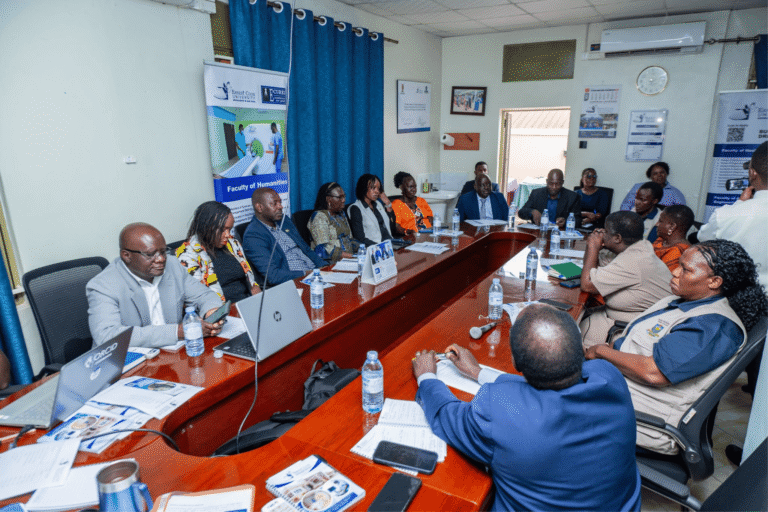
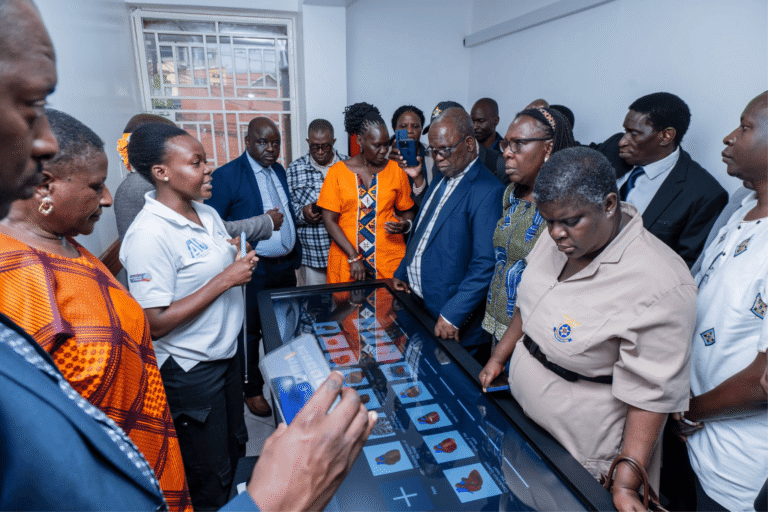
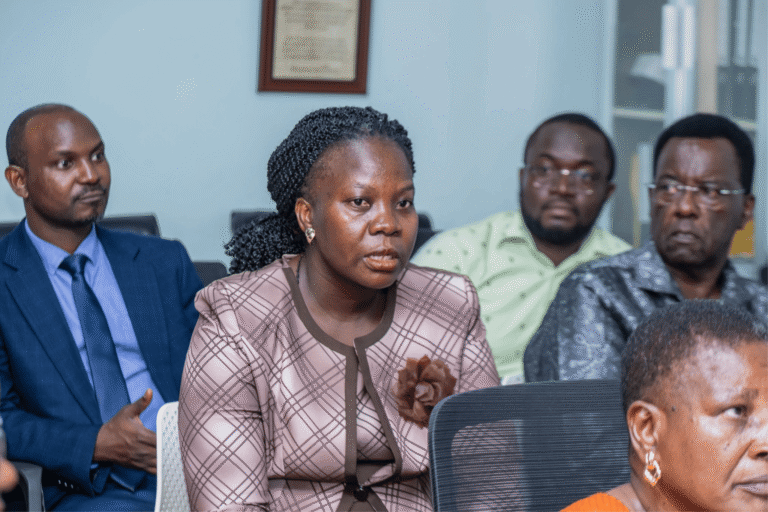
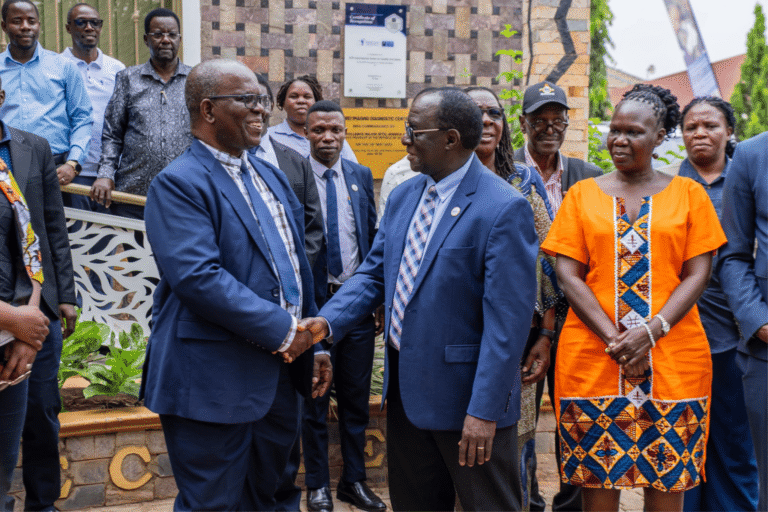
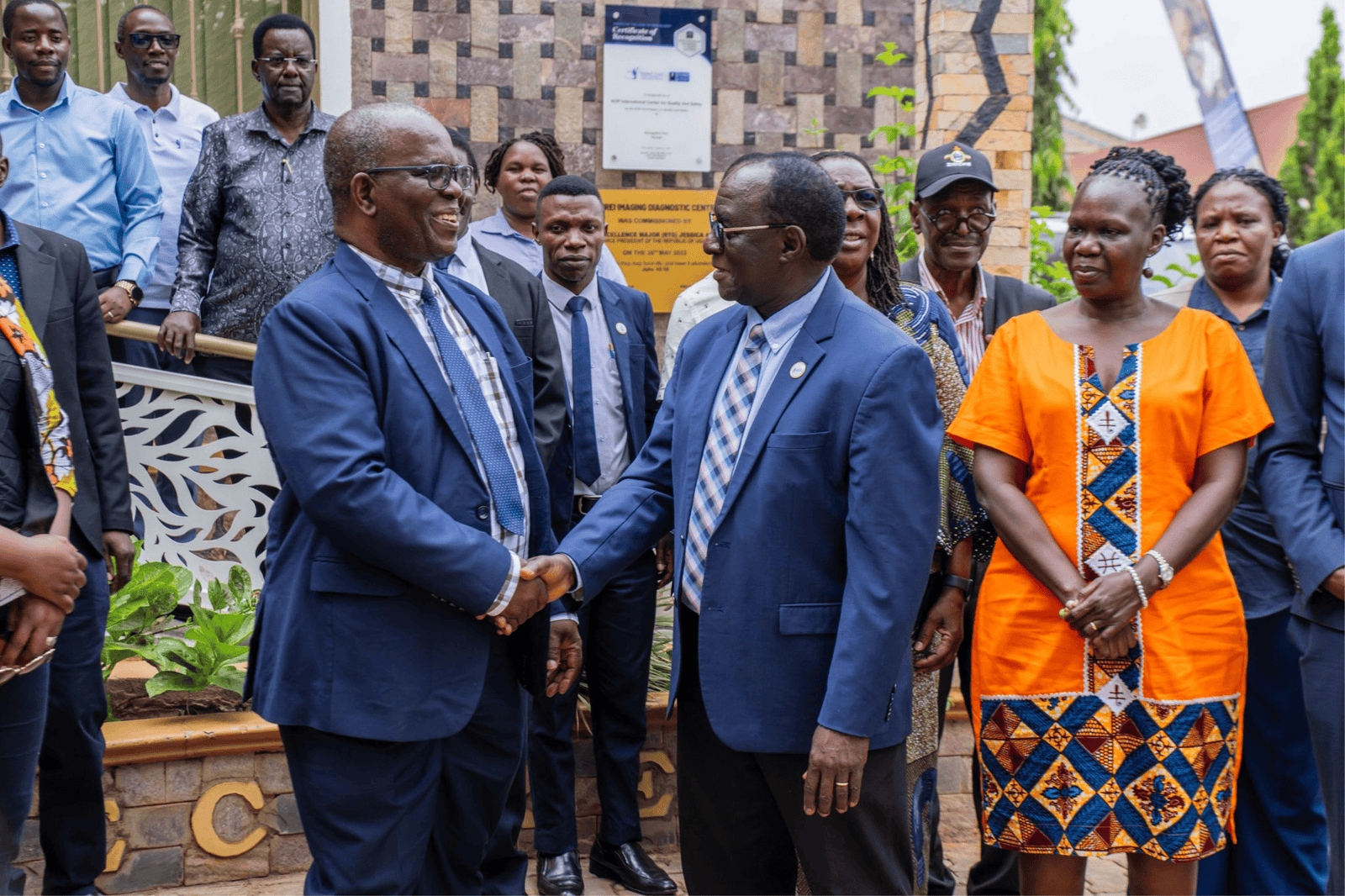
The efficacy of Uganda’s Higher Education Certificate (HEC) framework is currently being validated on a continental scale. A high-level delegation from Zimbabwe is presently benchmarking the Ugandan model, examining how these foundation programs bridge the gap for learners who haven’t met traditional direct entry levels. While the benchmarking includes other institutional successes like Busitema University, Ernest Cook University stands as a primary case study for how a private institution can successfully implement these national standards.
This international interest marks a significant milestone in institutional maturity: Uganda is no longer just a consumer of educational policy but an exporter of it. The delegation is reviewing extensive policy formulation materials and data to understand how to replicate this success. This cross-border exchange proves that HEAP is not an informal workaround but a globally recognized “university foundation program” that aligns with international standards for academic progression.
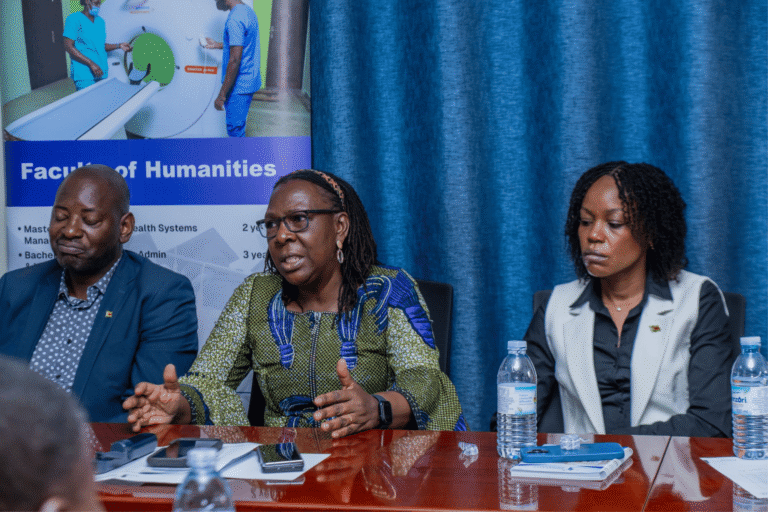
“The Zimbabwe delegation is coming to Uganda to benchmark how we are conducting the higher education certificate program. The higher education certificate program is not any unique program, but it’s a university foundation program. University foundation programs are all over the world and this is not unique to Uganda… Zimbabwe team is strictly benchmarking these universities that have implemented the foundation program for some time but also aligning to the STEM agenda that we are looking at as a country.” — Dr. Maria Nakachwa Ssemakula, National Council for Higher Education
Opening the STEM Gates Regardless of Past Performance
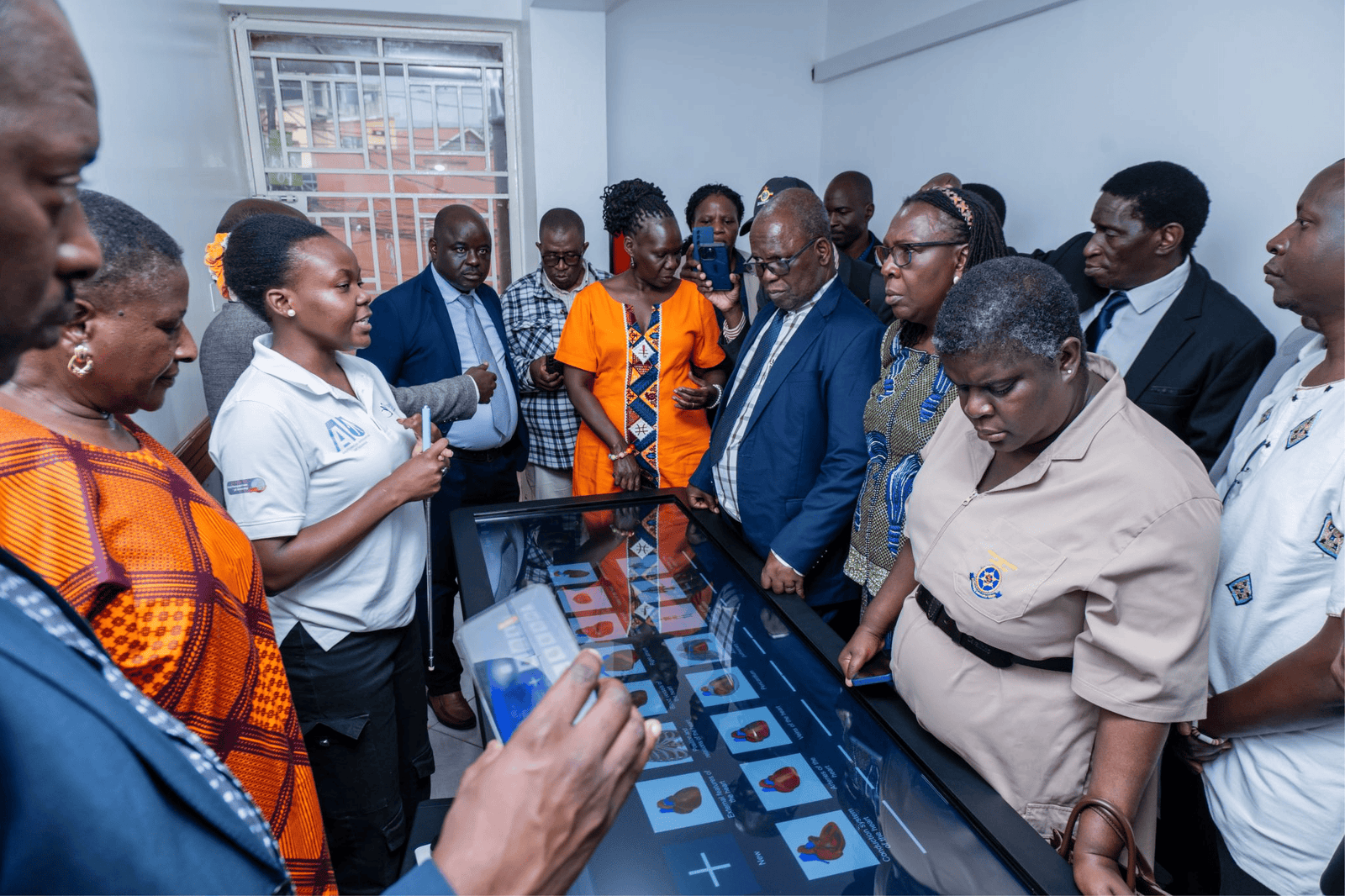
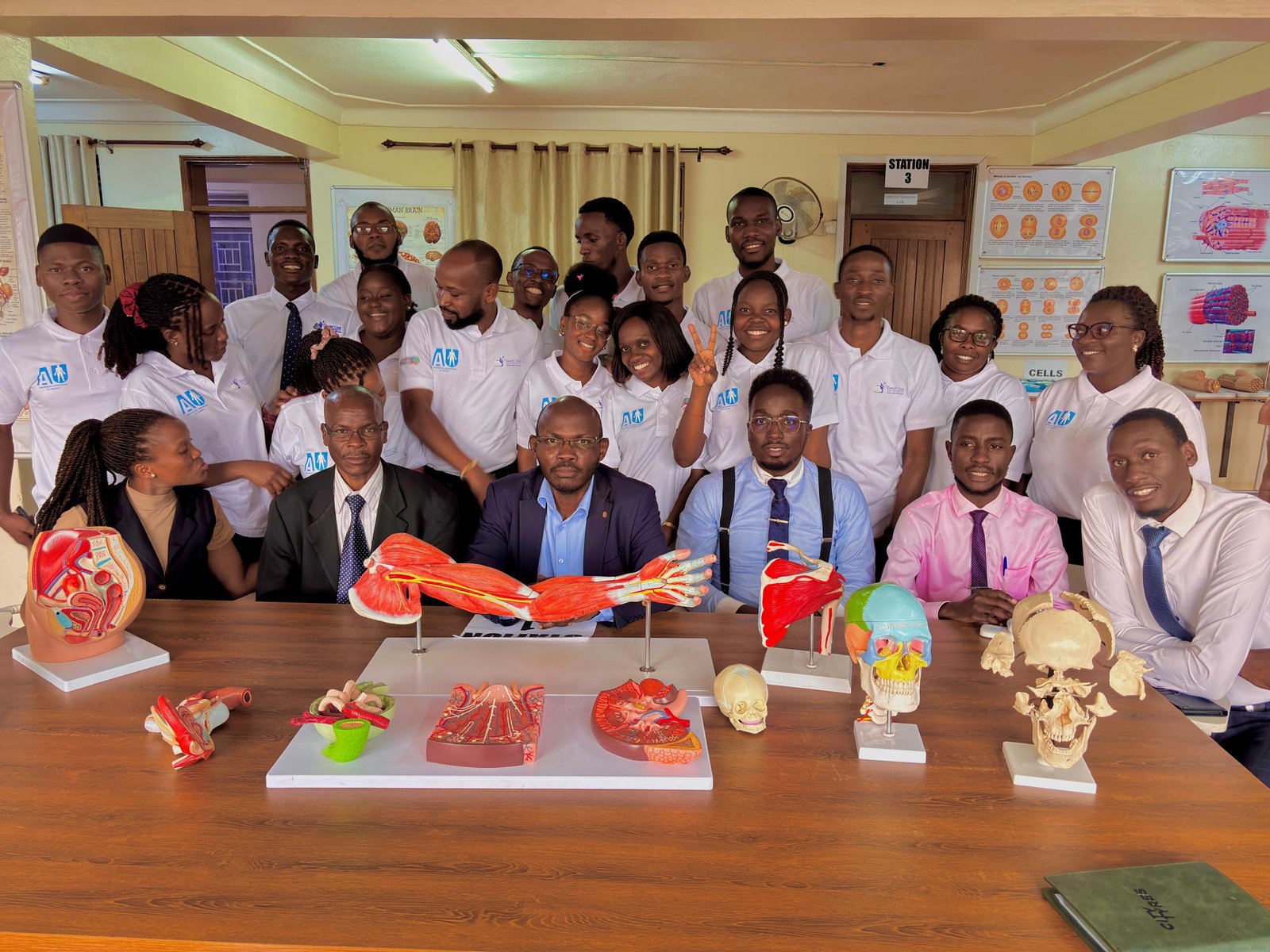
One of the most strategic elements of HEAP at Ernest Cook University is its unwavering focus on Science, Technology, Engineering, and Mathematics (STEM). Traditionally, these fields have been the most gate-kept, with rigid prerequisites that often create a permanent deficit in the nation’s technical workforce. By aligning HEAP with the National Development Plan, Ernest Cook is ensuring that the human capital pipeline for a science-led economy remains robust.
The program operates on a counter-intuitive principle: that a student’s previous performance in the sciences is not a fixed indicator of their future success. By shifting the focus from “screening out” to “cultivating,” the university allows students to pivot toward health sciences and technology through an intensive, year-long foundation. This approach recognizes that given the right environment, the “confidence” to excel in STEM is a learnable outcome, not a prerequisite.
“HEAP [is] a pathway designed to give students an opportunity to pursue university education regardless of their academic performance in sciences. Through HEAP, Ernest Cook University continues to empower learners with the knowledge, skills and confidence needed to excel in higher education and beyond.” — Prof. Michael Grace Kawooya, Vice Chancellor of Ernest Cook University
The Future is Inclusive
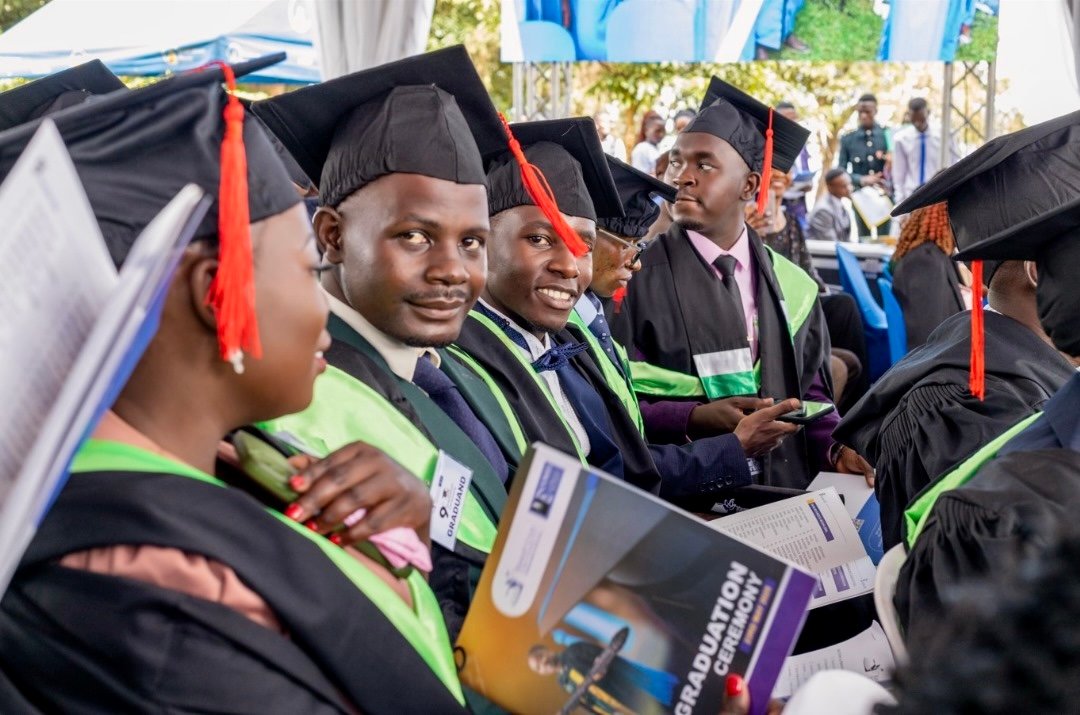
The Higher Education Access Program at Ernest Cook University is a testament to the fact that inclusivity and excellence are not mutually exclusive. By dismantling the “closed door” of past performance and replacing it with an accredited, rigorous pathway, the university is proving that the future of education lies in flexibility.
As global economies grapple with widening skills gaps, the Ugandan model suggests a profound shift in perspective. Are we finding the best talent, or are we simply rewarding those who had the best start? If we are to solve the global skills gap, the answer may lie in these alternative pathways that unlock the vast, untapped potential of learners who were once hidden behind a grade